Phil Armstrong

Inspired by Ben Vasiliou of The Man Cave and Dr Zac Seidler’s work on men’s wellbeing.
For generations Australian men have been told to work hard, provide, stay strong and get on with it. But what happens when the man everyone relies on needs support himself? Perhaps redefining masculinity is not about abandoning what it means to be a man. Perhaps it is about making room for more ways to be one.
Key takeaways
|
The national conversation led by Ben Vasiliou of The Man Cave and psychologist Dr Zac Seidler challenges an old assumption: that a man must always be tough, self-reliant and emotionally guarded. Redefining masculinity does not mean abandoning courage, responsibility or resilience. It means allowing men more than one way to be strong.
Healthy masculinity makes room for responsibility, respect, emotional awareness, independence and meaningful relationships. A man can be dependable without carrying every burden alone. He can be confident and still admit uncertainty. He can be protective without being controlling.
The Man Box 2024, published by Jesuit Social Services, explores restrictive expectations placed on Australian men aged 18–45. Its findings associate stronger endorsement of restrictive masculine norms with poorer wellbeing and harmful behaviours. These associations do not mean that masculinity itself causes mental illness, or that every traditionally masculine trait is harmful.
Orygen’s 2025 Real Talk report examines masculinity and young men’s mental health. It highlights barriers to recognising distress, seeking support and finding services that engage men effectively. Asking men to speak up matters, but so does creating places where they can speak without judgement.
Jesuit Social Services’ 2025 Adolescent Man Box research shows that boys face competing messages about toughness, emotions, relationships and respect. Fathers, coaches, colleagues and other role models can demonstrate that accountability and compassion are compatible with strength.
Young men encounter online messages about status, dominance, appearance, wealth and relationships. Some promote useful habits; others frame vulnerability as failure. Helping boys and men question those messages is more constructive than mocking them for looking for direction.
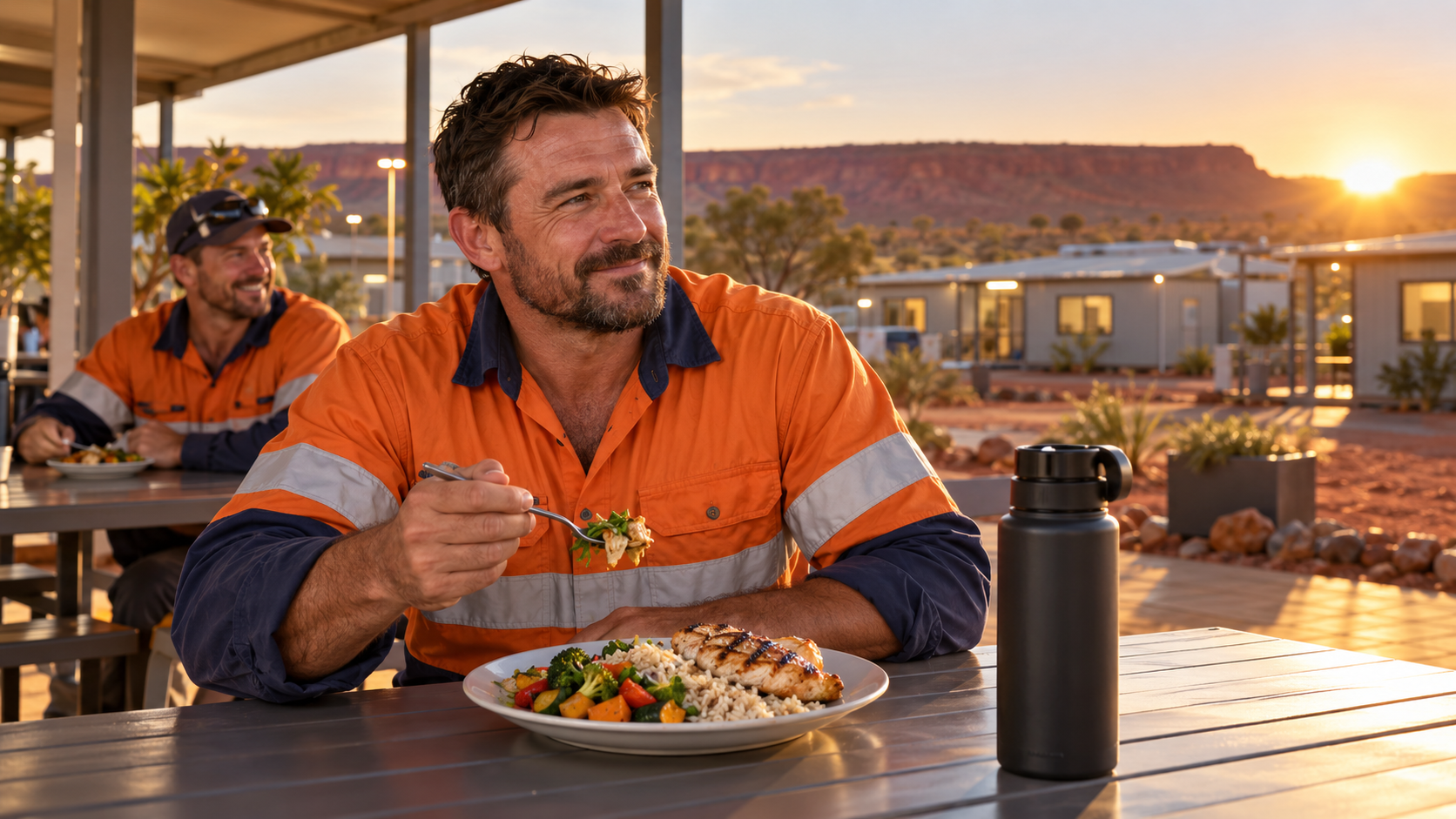
For FIFO workers and tradies, the expectation to keep going can make it difficult to admit fatigue, stress or relationship pressure. For fathers and men navigating separation, healthy masculinity can mean modelling respectful conflict, taking responsibility and putting children’s wellbeing first. None of these requires a man to pretend he has no feelings.
Keep the strengths that serve you. Question rules that prevent you seeking help. Learn to recognise emotions before reacting. Build friendships where honest conversations are possible. Seek support before things reach breaking point.
Counselling can provide a confidential space to work through stress, identity, relationships, separation and difficult decisions. Man Counsellor offers Australia-wide phone and video counselling, with camera-optional appointments and no GP referral required for private bookings.
We do not need another impossible standard of manhood. We need a broader understanding of strength: one that includes courage and care, responsibility and reflection, independence and connection. Men should not have to carry everything alone.
Broadening expectations of manhood to include emotional awareness, respect, accountability and seeking support, alongside courage and resilience.
Not inherently. Problems arise when expectations become rigid or discourage healthy relationships and help-seeking.
Concerns about judgement, expectations of self-reliance and unfamiliarity with counselling can be barriers. Experiences vary.
By modelling respectful relationships, emotional regulation, accountability and appropriate help-seeking.
Yes. Private Man Counsellor appointments do not require a GP referral or Mental Health Treatment Plan.
Man Counsellor provides confidential phone and video counselling across Australia. Explore counselling and booking options.

If you or someone else is in immediate danger, call 000. Lifeline is available 24/7 on 13 11 14.